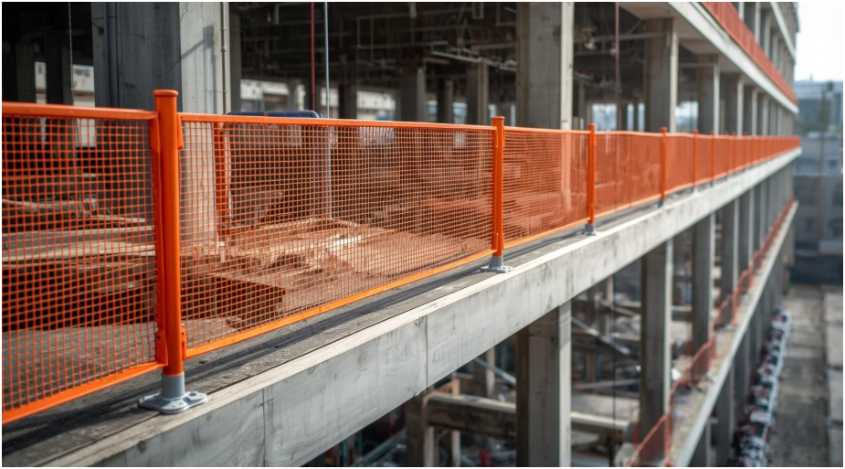
Construction sites are inherently hazardous areas, with workers constantly facing various risks as they navigate the complex and dynamic environment. High-rise construction introduces an added vertical element that elevates the level of danger, particularly the risk of falls from height.
In such scenarios, the implementation of robust safety measures is not just beneficial but a regulatory requirement. Among the most critical of these safety measures are temporary edge protection systems, which serve to prevent injuries and fatalities by providing a physical barrier against falls.
Understanding the Role of Temporary Edge Protection
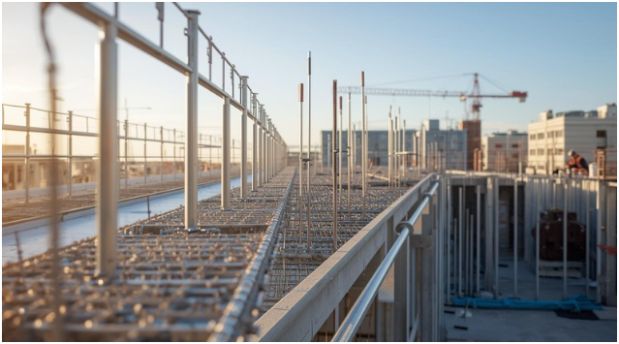
Temporary edge protection systems are specially designed to provide a safety guard around the perimeter of a building or any open edge where there is a risk of a fall from height. As the construction industry has advanced, so have the methodologies for implementing these protective measures, with modern systems offering flexibility, strength, and easy installation. They contribute significantly to the formation of a safe work environment for construction personnel.
Compliance with Safety Regulations and Standards
Compliance with local and national safety standards is a non-negotiable aspect of construction work. In many jurisdictions, regulations explicitly mandate the use of edge protection systems. These regulations are not merely guidelines but statutory requirements that construction site managers must adhere to for legal and ethical reasons. Failure to implement the right safety measures can result in severe penalties, legal liabilities, and most crucially, endanger life.
Edge Protection as a Preventive Measure
Prevention is always better than remedy, especially in the field of construction. Temporary edge protection systems act as a preventive measure, stopping accidents before they occur. They provide a physical barrier that warns workers of potential danger and prevents falls, dropped tools, or materials from causing injury to people below. This proactive approach to site safety is indispensable for maintaining a high standard of workplace health and safety.
The Psychological Benefits of Safety Measures
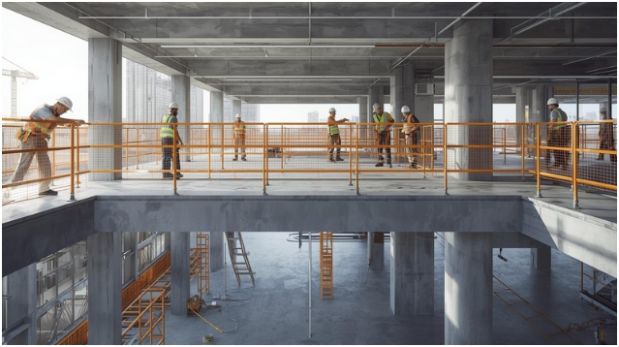
While the practical benefits of edge protection systems are evident, one should not overlook the psychological impact these safety measures have on site workers. Knowing that robust safety systems are in place can increase the confidence and productivity of the workforce. Workers can focus on their tasks with peace of mind, aware that they are within a controlled and secure environment, which in turn reduces stress levels and the likelihood of accidents caused by human error or hesitation.
Types of Temporary Edge Protection Systems
The variety in temporary edge protection systems allows for tailoring to the specific needs of a construction project. Systems can range from simple guardrails to complex mesh barriers, with variations suited for different types of construction sites, such as residential, commercial, and industrial. Selection depends on factors such as height, the intensity of work, and the stage of construction. Crucially, all types share the common goal of preventing falls.
Installation and Dismantling Considerations
When considering the implementation of edge protection, attention must also be given to the process of installation and dismantling. Systems must not only be secure when in place but also safe and efficient to install and remove. This minimises exposure to risk during these processes and ensures the overall success of the safety strategy. Moreover, high-quality temporary edge protection systems are designed to be re-used, providing a cost-effective solution for the construction industry.
Maintaining and Inspecting Edge Protection
Once installed, temporary edge protection systems should not be taken for granted. Regular maintenance and inspection are critical to ensuring ongoing reliability for enhacing your safety. Construction sites are dynamic, and wear and tear, structural shifts, and environmental factors can all compromise the effectiveness of edge protection. A schedule of periodic checks allows for timely identification and rectification of any issues, maintaining the integrity of the safety system.
The Human and Financial Impacts of Neglecting Edge Protection
The consequences of neglecting appropriate edge protection are severe. Accidents resulting from inadequate safety measures can lead to serious injuries or fatalities. The human cost is immeasurable, impacting not only the individual workers and their families but also the morale of the entire construction team. From a financial perspective, such incidents can result in significant costs from medical expenses, compensation claims, increased insurance premiums, and potential project delays.
Investing in Quality Systems
Investing in high-quality temporary edge protection systems signifies a commitment to worker safety and responsible construction management. Quality systems provide assurance in durability, reliability, and compliance with safety standards. They are an investment not just in the immediate project but in the reputation and operational philosophy of a construction firm, reflecting its dedication to excellence and ethical practices.
Collaboration with Safety Experts
Implementing effective edge protection often involves collaboration with safety experts and suppliers who specialise in these systems. Expert advice can guide construction managers in choosing the right system for their specific needs, ensuring that all safety aspects are meticulously addressed. Safety experts can also provide valuable training to site workers, promoting a culture of safety and awareness that transcends individual projects.
Concluding Thoughts on Edge Protection in Construction
In conclusion, temporary edge protection systems are a fundamental element of construction safety, especially for high-rise projects. The benefits they bring are manifold, extending from compliance with legal standards to the genuine safeguarding of human life.
Quality systems coupled with proper maintenance, inspection, and expert collaboration form a comprehensive safety framework that is indispensable in the modern construction arena. They serve as a testament to the construction industry’s dedication to pursuing both operational excellence and unfaltering respect for human wellbeing.
For construction managers seeking to uphold the highest safety standards and mitigate the risks associated with working at height, incorporating temporary edge protection systems is not a mere option but an imperative—an imperative that translates to saved lives, enhanced productivity, and a reputation for professionalism and care.