In today’s complex security landscape, safeguarding our assets, information and people has never been more crucial. An access control system is at the forefront of guarding against unauthorised access and ensuring the safety of individuals and property. This article will delve into why these systems are indispensable and how they can augment security measures across various domains.
Understanding Access Control Systems
At its core, an access control system is a sophisticated configuration designed to manage who can enter a particular area or resource. It does so by authenticating and authorising entry through credentials such as passwords, physical tokens, biometric scans or a combination thereof. This form of electronic security can be tailored to the needs of different environments, ranging from residential spaces to high-security government facilities.
The Significance of Access Control in Modern Security
Modern security challenges demand solutions that not only prevent unauthorised access but also efficiently track and manage the flow of people through a space. Access control systems offer an effective way to monitor entry points in real-time and can provide detailed logs of user activities. This information is crucial for identifying potential security breaches and for maintaining order within the premises.
Layered Security and Access Control
One of the principal advantages of incorporating access control into your security strategy is the concept of layered security. By using these systems as a part of a comprehensive security plan, organisations can create multiple layers of defence against intrusions. In preventing direct access to sensitive areas, access control systems function as a critical barrier that must be by-passed for a security breach to occur.
Types of Access Control Systems
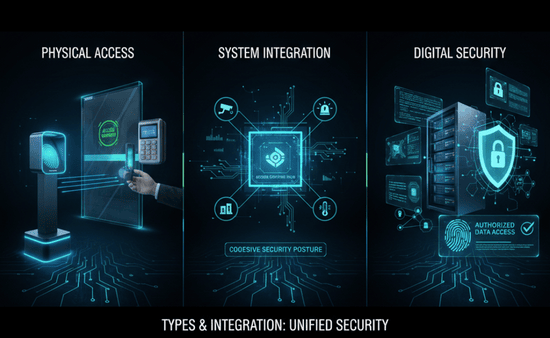
Access control comes in various forms and complexities, from simple stand-alone systems controlling access to single doors to networked solutions managing multiple access points across broad premises. Commonly deployed systems include keypads, card and fob readers, intercom systems, and biometric scanners, each with unique features suited to different security needs.
Integration with Other Security Measures
For an access control system to reach its full potential, it is typically integrated with other security solutions. This might include connection with alarm systems, surveillance cameras, and even intelligent building management systems. Such integration allows for a cohesive and more robust security posture that is reactive to potential threats and proactive in their deterrence.
The Role of Access Control in Data Security
While often associated with physical security barriers, access control plays a vital part in cybersecurity as well. In the digital realm, access control systems ensure that only authorised individuals have access to sensitive data and networks. By employing strong authentication methods, organisations can better protect themselves against cyber threats and data breaches.
Customisability and Scalability
A prime benefit of modern access control systems is their customisability. They can be designed to fit the particular requirements of an establishment, permitting certain individuals access to specific areas at designated times. Additionally, as an organisation grows or its security needs evolve, these systems are scalable, meaning they can expand in capability without a complete overhaul.
Compliance and Access Control
Beyond security, access control systems help organisations stay compliant with industry regulations and standards. They can aid in restricting access to confidential information, which is often a prerequisite for adherence to privacy and data protection laws. By maintaining thorough access records, these systems also provide auditable trails that could substantiate compliance during reviews or audits.
User Convenience and Security
The technological advancements in access control systems are not only about improving security but also about enhancing user convenience. Modern systems support quick and user-friendly authentication processes that do not compromise on robustness. This minimises the likelihood of security being circumvented due to cumbersome or time-consuming procedures.
Responding to Emergencies with Access Control
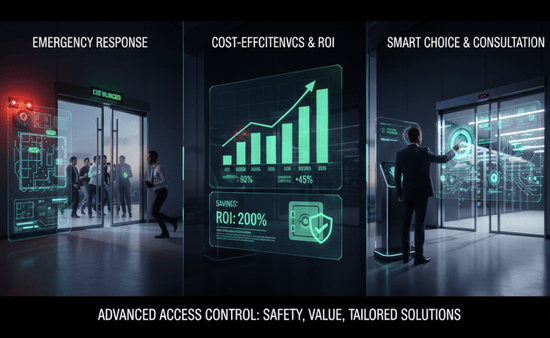
In emergency scenarios, such as fires or lockdowns, access control systems prove invaluable. They can be programmed for quick lockdowns or to allow free exit in the event of an emergency. Such responsiveness is critical in ensuring the safety of occupants and can also facilitate the work of emergency responders.
Cost-Effectiveness and ROI
Investing in a high-quality access control system can be surprisingly cost-effective. The protection it offers against theft, vandalism, and other security incidents can significantly reduce potential losses. Moreover, the operational efficiencies it introduces, such as automated entry logs and security alerts, often lead to a favourable return on investment over the long run.
Choosing the Right Access Control System
Selecting an appropriate access control system requires careful consideration of the security risks and user needs of the premises. Factors such as the size of the area, the number of users, and compatibility with other security systems must be evaluated. Consulting with security professionals who are experienced in designing and deploying these systems can be an important step towards making the right choice.
Conclusion
The importance of access control systems can hardly be overstated. They are a centrepiece in modern security strategies, effectively safeguarding the physical and digital realms against unauthorised access. Investing in a reliable access control system is not just about protection; it is about establishing a controlled environment where safety, efficiency, and privacy are prioritised. As threats continue to evolve, so too must our approach to access management, ensuring ongoing resilience against security risks.
Secure Your Premises Today
The ever-evolving security challenges of today’s world require robust and adaptable solutions. An access control system is fundamental in addressing these challenges, offering a blend of security, compliance, and convenience. Embracing these systems is a strategic move towards enhancing safety while supporting operational and data integrity in any setting.